September 25, 2026
In this article, we explore the transformative power of landscape design on the perceived aesthetic and value of your home. From enhancing curb appeal to fostering a welcoming environment, we look into how these elements shape first impressions. The environment created by thoughtful landscaping can influence not only how visitors perceive your home but also the overall tenor of a neighborhood. By implementing well-considered landscape design, homeowners can directly participate in crafting the impression their homes convey to the outside world.
The Role of Symmetry and Balance
Symmetry and balance are foundational elements in landscape design that significantly impact curb appeal. When both sides of a garden or yard mirror each other, it creates a harmonious visual. This method often attracts the eye naturally and suggests order and harmony. A balanced design reflects a well-maintained property, indirectly conveying care and pride of ownership.
Incorporating symmetry into your landscape design can also simplify maintenance. By creating equal areas that mirror each other, homeowners can streamline their gardening tasks. This approach can also provide a sense of serenity and order, enhancing the attractiveness of the home to prospective buyers. Consistent upkeep of symmetrical landscapes demonstrates dedication to maintaining the home’s aesthetic appeal.
However, achieving symmetry and balance does not mean every element must be uniform. Variety in plant selection and hardscape materials can provide contrast and interest within a symmetrical layout. This duality of harmony and variation enriches the design, making it more dynamic and visually engaging. Ultimately, a well-balanced landscape is highly appealing and can significantly boost first impressions.
Utilizing Color and Texture
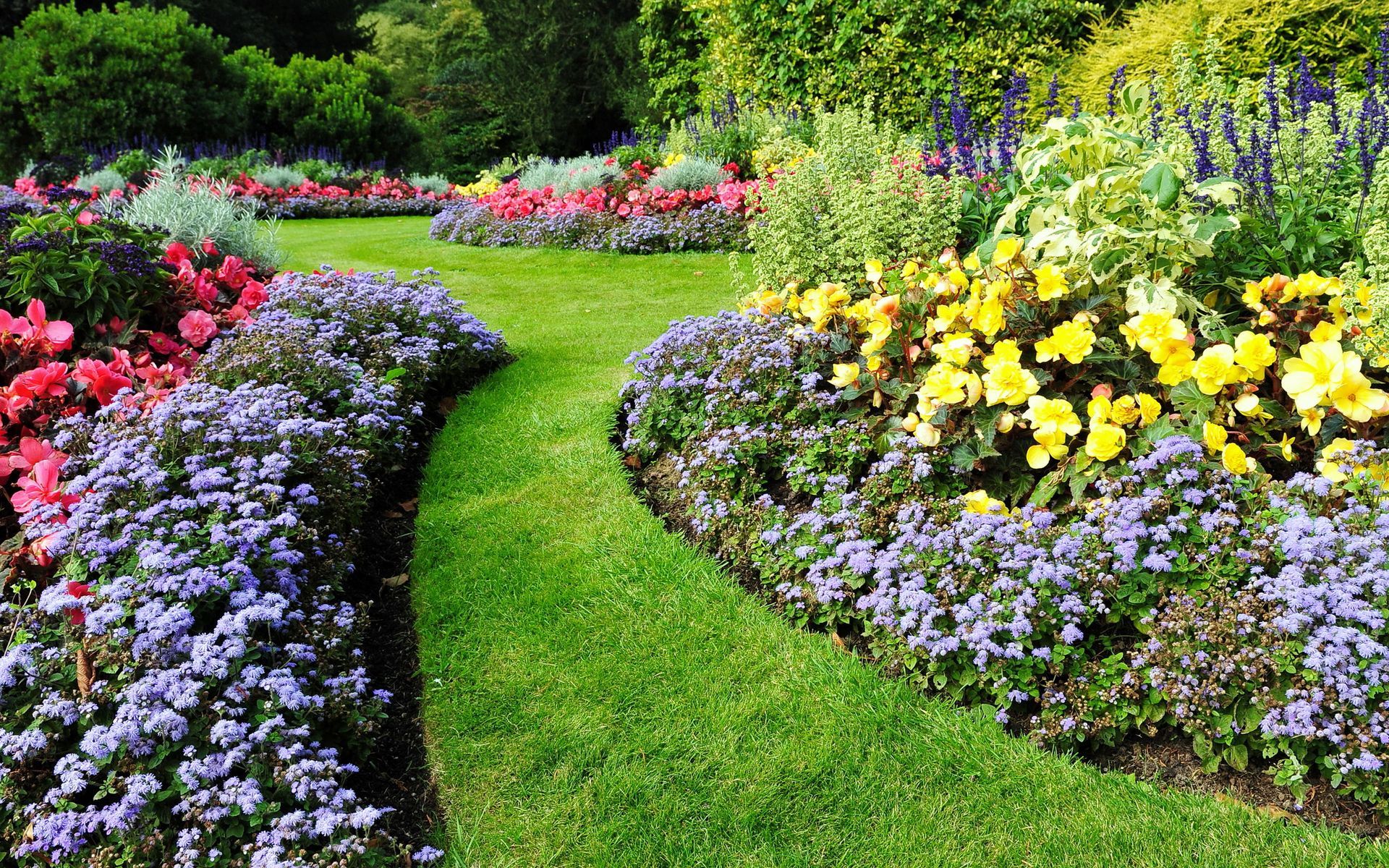
The strategic use of color and texture in landscape design plays a crucial role in establishing a compelling curb appeal. Color can evoke emotions, draw attention to certain areas, and guide visitors through a landscape. A well-chosen color palette that complements the home’s exterior can unify the entire property. Meanwhile, texture adds depth and interest to what might otherwise be a plain garden.
Texture in a landscape can be varied through the selection of different foliage types, such as broad leaves juxtaposed with feathery grasses. Combining different textures not only enhances visual appeal but also provides tactile interest. When thoughtfully chosen, these elements contribute to an inviting and distinctive environment. This layered approach to landscape design invites further exploration and appreciation of the outdoor space.
Color and texture together can be used to create focal points around key architectural features of the home. According to LawnStarter, the U.S. landscaping services industry generated over $188 billion in revenue in 2025, underscoring the economic impact and importance of effective landscape design. Thus, investing in professional landscape design can be a smart financial decision. Through a blend of texture and color, homeowners can highlight beloved elements and enhance the overall aesthetic appeal of their property.
Creating Functional Walkways
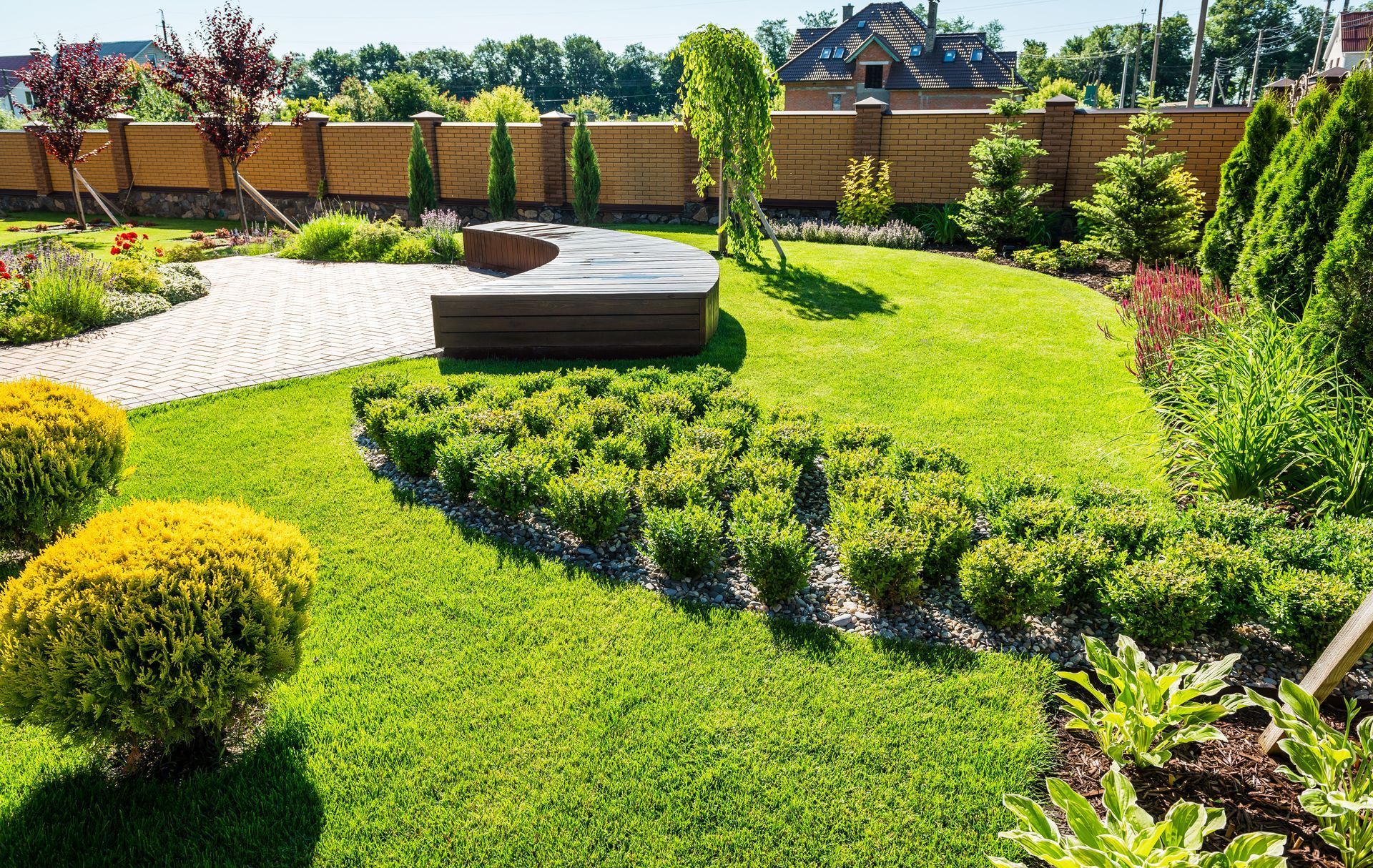
Functional walkways are an often underappreciated element in landscape design, yet they are integral to guiding foot traffic and linking various outdoor spaces. A thoughtfully designed pathway enhances the overall layout of a yard, providing a clear, direct route for visitors. Materials such as stone, brick, or gravel can be selected to complement the home’s architecture and add to the landscape’s aesthetic value. The design of walkways should balance practicality with visual appeal.
Walkways contribute to the accessibility and usability of a landscape, creating a cohesive flow from one area of the property to another. In addition to linking spaces, they can serve to section off different garden zones, enhancing the sense of structure. This carefully curated path not only improves the physical navigation but also the perceptual navigation of a visitor’s experience. A well-planned pathway becomes a journey, offering both function and form.
Thoughtfully integrating functional walkways into your landscape design enhances not only the usability of outdoor spaces but also their aesthetic value. These elements simultaneously provide practical benefits and an elevated first impression upon arrival. Well-maintained and beautifully designed walkways suggest a care for detail that resonates through the rest of the property. Through strategic planning and design, walkways can transform the experience of entering a home.
The Impact of Lighting
Landscape lighting extends the usability and visual appeal of outdoor spaces, allowing them to be enjoyed long after sundown. Thoughtful placement of lights can showcase beautiful features of the garden while offering safety and security. Different styles and intensities of lighting can create ambiance and mood, enhancing the evening experience of the landscape. Lighting can also draw attention to architectural highlights, contributing to the home’s first impression even at night.
The diverse range of available lighting solutions offers homeowners extensive choices in both function and stylistic presentation. Path lights, uplights, and solar-powered or LED options can be blended to meet specific needs and aesthetics. In addition to beautifying the landscape, exterior lighting can deter potential intruders by illuminating access points and providing a clear view of the property. The intersection of functionality and beauty makes lighting an essential component of comprehensive landscape design.
Effective lighting design reflects a well-thought-out strategy to not just enhance but also protect the home’s exterior. With the right approach, lighting transforms from a utilitarian feature into an element of beauty and intrigue, enhancing the overall landscape design. Stylish fixtures and strategic placement allow landscape lighting to complement natural elements and create a warm, inviting atmosphere. Good design can present a polished first impression by showcasing your home in the best possible light.
Seasonal Plant Selection
Choosing plants that thrive in your local climate during different seasons adds vibrancy and continuity to your landscape design. Seasonal plant selection is vital in ensuring that your garden remains visually appealing and in optimal health throughout the year. An understanding of the growing conditions and requirements for different plants allows homeowners to create a year-round display of color and texture. This approach not only enhances curb appeal but also reduces maintenance and replacement costs.
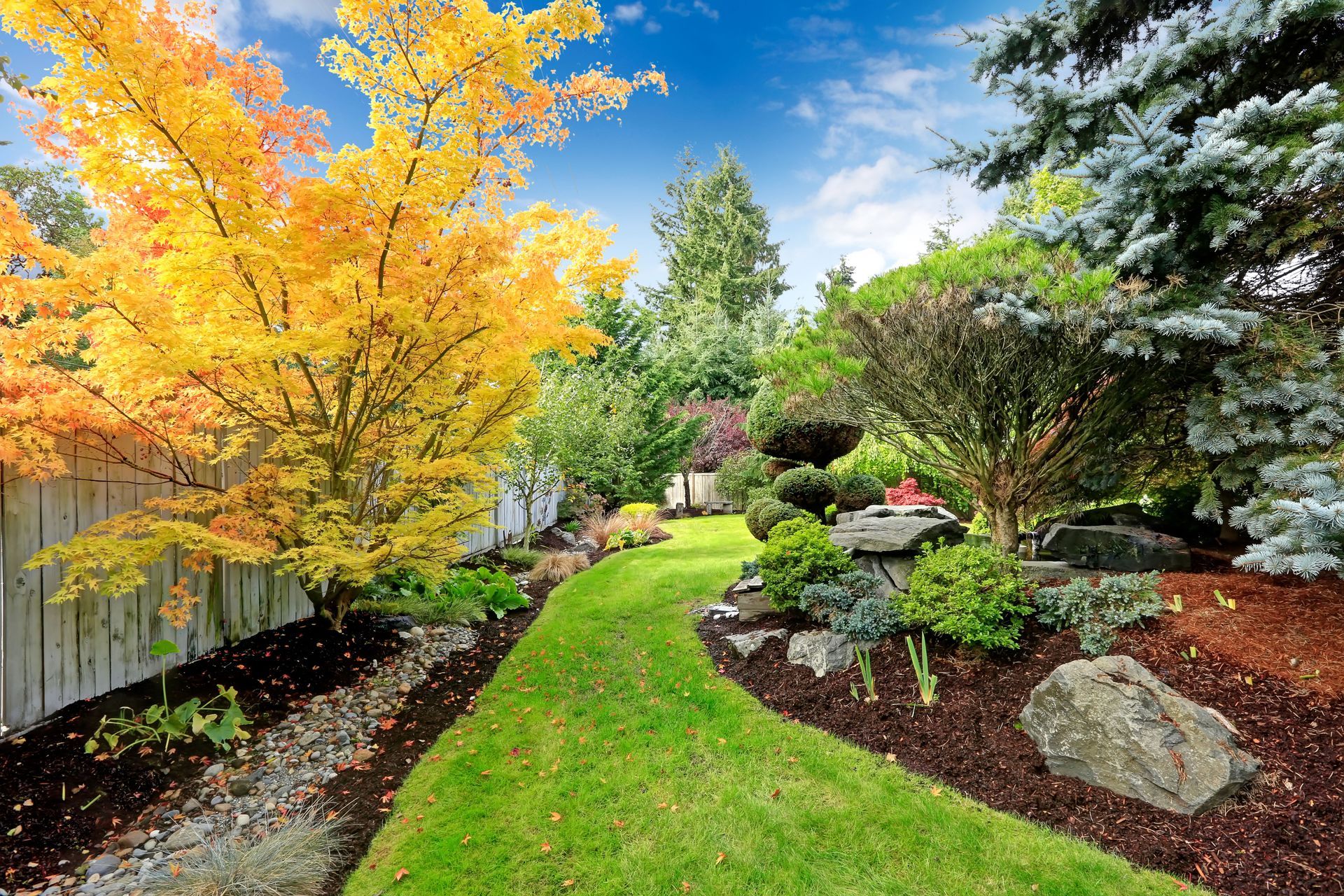
Strategic planting can highlight particular seasons effectively, such as using spring bulbs or autumn deciduous trees, to keep the garden engaging. Planting both flowering and non-flowering species ensures that even when plants are out of bloom, there is always visual interest and structure. Incorporating perennials alongside annuals allows the landscape to look lush and complete year after year. This continuous cycle of growth and renewal keeps the exterior dynamic and lively.
The benefits of seasonal plant selection extend beyond aesthetics; they contribute to the biodiversity and ecological health of the landscape. Native and climate-appropriate plants often require less water and maintenance, reducing the environmental impact and resource usage. As the landscaping industry capitalizes on this sustainable movement, it reflects not just the beauty achieved but the conscientiousness of a design. Overall, seasonal considerations in plant selection not only elevate the home’s beauty but also provide lasting environmental benefits.
Thoughtful landscape design can dramatically enhance the first impression of your home, shaping perceptions and potentially increasing property value. By understanding and implementing effective design principles, you can create an inviting, aesthetically pleasing exterior that resonates with both visitors and prospective buyers. The careful configuration of elements such as symmetry, color, texture, functional pathways, lighting, and seasonal plants contributes to a coherent and attractive landscape. As demonstrated, the U.S. landscaping services industry is not only about beautification but also has economic significance, as it becomes an investment in your property’s future. Reach out to VandJ Landscaping & Services Inc to learn more about our services today.